Jean Gerber on Community, Connection and the Future of Richards Bay
From community safety and service delivery to supporting local businesses, Jean Gerber believes Richards Bay has the people and potential to move forward — but stronger connection is needed
Updated 30 September 2026
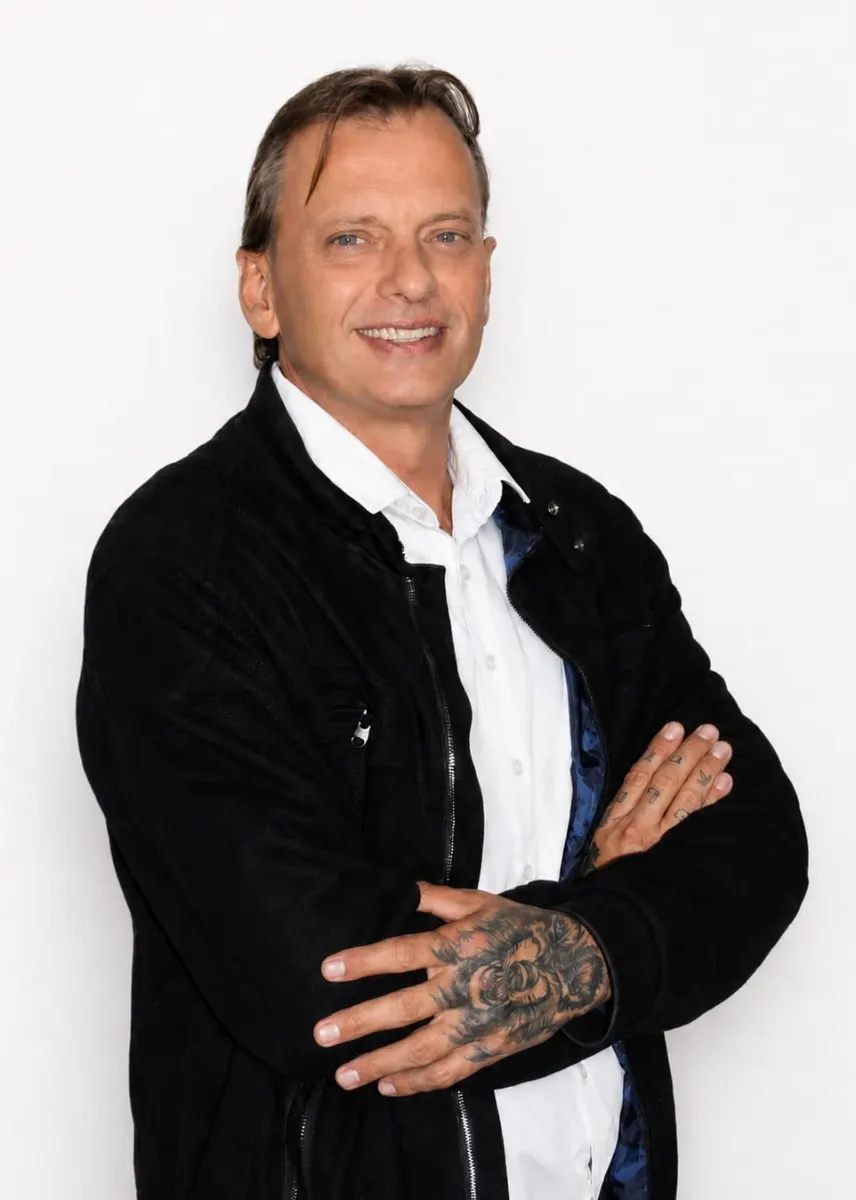
Richards Bay Hub spoke to Jean Gerber about his background, why he became involved in community matters, the development of the Concerned Residents Civic Association (CRCA), what he has learned from working with residents and what he hopes to see for Richards Bay in the years ahead.
For people in Richards Bay who don't know you personally, who is Jean Gerber?
I’m probably best described as an ordinary person who decided that being part of a community means more than simply living in it.
I moved to Richards Bay 3 years ago after spending 33 years in Nelspruit. My professional background has primarily been in business, sales and management, and today I’m involved in managing Zululand Safety Welding & Equipment & Sizonke Trading Richards Bay as well as community initiatives.
But outside of work, I’m a family man, a soon to be husband, a father, a friend, a community activist and, most importantly, someone who believes strongly that communities deserve to be heard.
I don’t pretend to have all the answers. What I do believe is that if you see something that is wrong, you have a choice: you can complain about it, look the other way, or you can get involved and try to make a difference.
That is really where my journey in Richards Bay began.
What made you decide to get involved in community issues in the first place?
It wasn’t something I planned.
Like many people, I saw problems around me and initially thought that somebody else would deal with them. But over time, I became increasingly frustrated by seeing ordinary residents raising legitimate concerns and feeling that nobody was listening.
Safety, infrastructure, vulnerable people, unemployment, homelessness, substance abuse, environmental concerns and basic municipal services are not political talking points to the people experiencing them. They are everyday realities.
At some point I realized that complaining from the sidelines wasn't going to change anything. If I wanted things to improve, I needed to become part of the solution.
How did CRCA start, and what problem were you hoping it could solve for residents?
CRCA actually grew out of a community safety and security initiative.
What started as people communicating with one another about safety concerns developed into something much bigger because residents began bringing other problems to our attention.
The idea was never to create another organization that simply talks about problems. It was to create a structure where residents could raise concerns, where those concerns could be documented, where the relevant people could be approached, and where the community could work together to find practical solutions.
CRCA became a platform for people who sometimes felt that their voices were being lost.
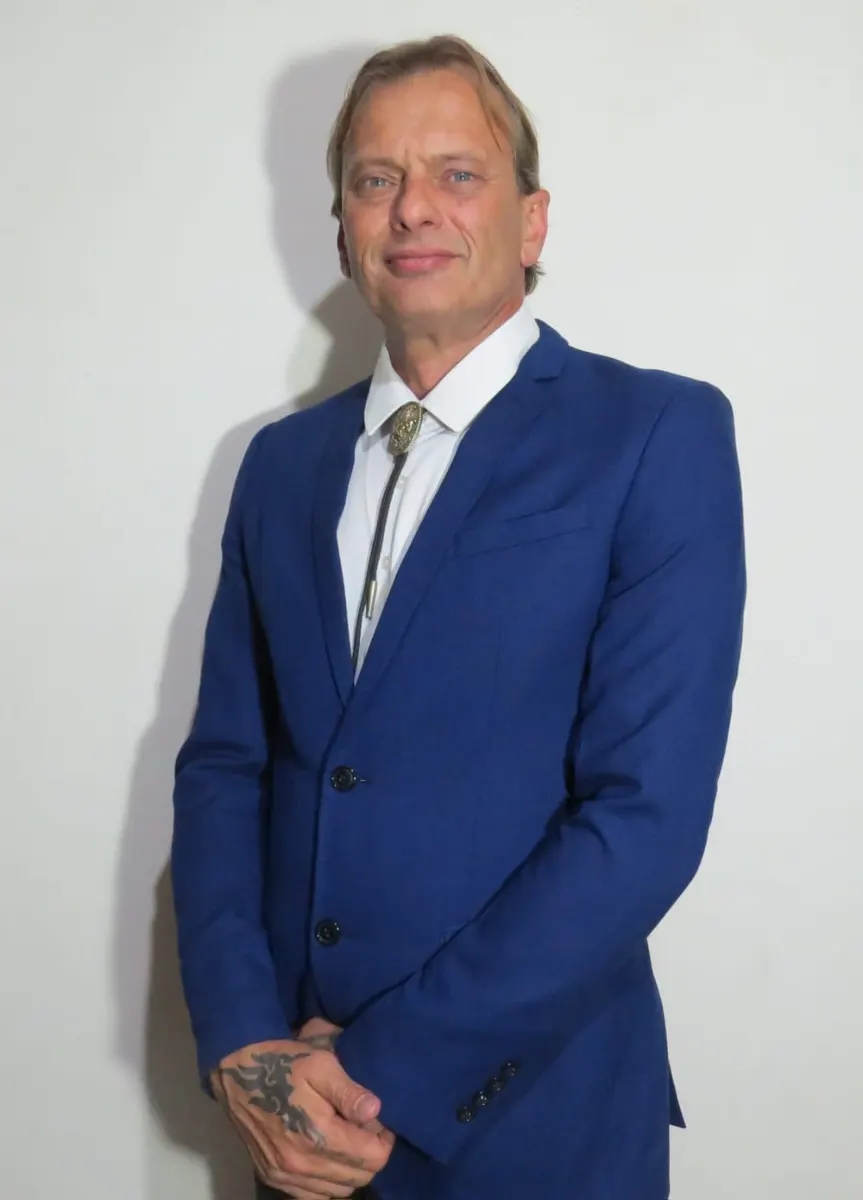
You've spoken about CRCA being “the voice of the community.” What does that mean to you personally?
Being the voice of the community doesn't mean speaking for people without listening to them. The Voice of the Community is exactly that. The voice of the community was what set Nelson Mandela free. The voice of the community stopped Apartheid.
For me, it means listening first.
It means taking what residents are experiencing seriously, even when the issue seems small to somebody sitting behind a desk. It means asking questions, gathering information, putting concerns on record and following up.
And sometimes it means saying things that aren't necessarily comfortable to say.
But the voice of the community should never belong to one individual. CRCA is strongest when it gives residents the confidence to speak for themselves and stand together.
“For me, it means listening first.”
— Jean Gerber
From working directly with residents, what have you learned about Richards Bay that most people might not seen?
I’ve learned that there are actually many different people living alongside one another.
From the outside, Richards Bay can look like a prosperous, well-established city with enormous industrial and economic importance. But when you start walking into communities, talking to residents and seeing what people are experiencing on a daily basis, you realize that the picture is far more complicated.
I’ve met people who are genuinely struggling to put food on the table. I’ve spoken to residents who are frightened in their own neighborhoods, business owners who are fighting to keep their businesses alive, people desperately looking for employment, elderly residents who feel forgotten and families who are simply trying to get through another month.
I’ve also seen things that I think many people don't see because they don't necessarily have to look for them.
I've seen the effect that failing infrastructure, service delivery problems, unemployment, substance abuse, homelessness and a lack of opportunities can have on ordinary families. I've seen how quickly a relatively small problem can become a much bigger one when nobody takes responsibility for addressing it.
But there is another side to Richards Bay that has probably affected me even more.
I’ve discovered an incredible amount of compassion.
When somebody genuinely needs help, there are people who will give what they can. I've seen residents donate food, clothing, baby necessities and other essentials. I've seen businesses step forward. I've seen complete strangers help people they've never met.
And I've learned that people don't necessarily want someone to come and rescue them. More often, they want someone to listen to them, take them seriously and help them find a way forward.
Perhaps the biggest thing I've learned is that Richards Bay isn't short of good people, good ideas or potential.
What I believe we have sometimes been short of is connection.
People are often experiencing the same problems in different parts of the city without realizing that they aren't alone. Once people start talking to each other, sharing information and standing together, something changes. They stop feeling like isolated individuals trying to fight an enormous system on their own.
That, to me, is one of the most important lessons CRCA has taught me.
The community isn't powerless.
There is an enormous amount of strength sitting within the people of Richards Bay. Sometimes they just need a platform, a connection and the confidence to realize that their voice actually matters.
“What I believe we have sometimes been short of is connection.”
— Jean Gerber
What do you think residents themselves can do to help make Richards Bay a better place, rather than feeling powerless when something goes wrong?
The first thing is to stop believing that everything is somebody else's responsibility.
Government has responsibilities. Municipalities have responsibilities. Law enforcement has responsibilities. Businesses have responsibilities.
But residents have responsibilities too.
We can report problems instead of simply complaining about them. We can look after our streets and public spaces. We can support local businesses. We can help vulnerable people without enabling harmful behavior. We can volunteer. We can attend community meetings. We can hold the people responsible for delivering services accountable.
Most importantly, we need to start talking to one another again.
A strong community isn't created by one person standing at the front. It's created when thousands of ordinary people realize that their individual actions matter & the power lies within their hands.
With all the challenges you deal with, what keeps you motivated to continue doing this work?
First & foremost, my support personal system. My fiancé and my children is keeping me motivated. Their support is unwavering & vital to me.
The people.
There have been difficult moments, and there have certainly been times when I've questioned whether it is worth putting myself through the pressure that comes with community work.
Then somebody sends a message saying that something we did helped them.
A family gets assistance when they desperately need it. Someone finds support. A resident who felt ignored finally gets an answer. A community comes together to help somebody who is struggling.
Those moments remind me why I started.
I don't do this because I think I'm special or because I expect recognition. I do it because I believe that if you have the ability to make a difference, you have a responsibility to at least try.
Looking ahead, what would you personally love to see Richards Bay become over the next few years?
I'd love to see Richards Bay become a city that its residents are genuinely proud of.
A city where people feel safe in their communities. Where infrastructure is properly maintained. Where businesses can grow and create employment. Where young people can see a future here instead of believing they have to leave to find one.
I'd like to see our incredible economic potential properly connected to opportunities for the people who live here.
But perhaps most importantly, I'd like to see a stronger relationship between residents, businesses, community organizations and government.
Richards Bay has enormous potential. We have the people, the businesses, the industries, the natural environment and the strategic importance.
What we need is to turn that potential into opportunity.
And I don't believe that belongs to one political party, one organization or one individual.
It belongs to all of us.
“It belongs to all of us.”
— Jean Gerber
About this Local Story
Interview: Written interview with Jean Gerber conducted by Richards Bay Hub, September 2026
Interviewee: Jean Gerber · Concerned Residents Civic Association (CRCA)
Photos: Supplied by Jean Gerber
Responses published as supplied by the interviewee. Richards Bay Hub has not rewritten or altered Jean Gerber's answers.